

Family Reading Program
A Family Recommitment to Self-Government
To the families of our community,
Welcome, and thank you for being here. This is an invitation to a short, family-paced reading program built to help us relearn the principles of self-government — together, at our own kitchen tables, a few minutes at a time.
This is not a protest against government. It is a restoration of the relationship that self-government requires. Our founders built a system of checks, balances, and oversight, and they placed one final check above all the others: the citizens themselves. When citizens understand their role, government works the way it was designed to work. When citizens go quiet, that design begins to drift. This program exists to help us take our place again — not as spectators, but as the owners of our government.
Why We Are Doing This
Freedom is not maintained by memory alone. It must be taught, practiced, and renewed in every generation. The ideas that made self-government possible were once common knowledge; today many of us were never given the chance to learn them clearly. This program is a way to recover that understanding — to read the writings that shaped our republic, to talk about them as families, and to carry the lessons into the everyday work of being citizens.
Our aim is simple. We want citizens who learn, who participate, who ask good questions, and who expect accountability. We believe government belongs to the people, that public office is a public trust, and that public money must serve a public purpose. These are not new ideas. They are the foundation we are returning to.
The program is built to fit real family life. Each reading night takes about 15 to 20 minutes — enough time to read a short section, write down a thought or two, and discuss one or two questions together. There are 24 reading nights in all, and most families complete the program in four to eight weeks, depending on the pace they choose.
The accompanying Family Reading Guide carries you through every night. It tells you what to read, offers a main question to focus on, and gives space to take notes and record your family’s discussion. The pace is not the most important thing. The important thing is to read, discuss, understand, and pass it on.
What Each Book Teaches
The program moves through four works, each chosen for a specific reason. Together they trace the path from awakening, to structure, to purpose, to a working system of government.
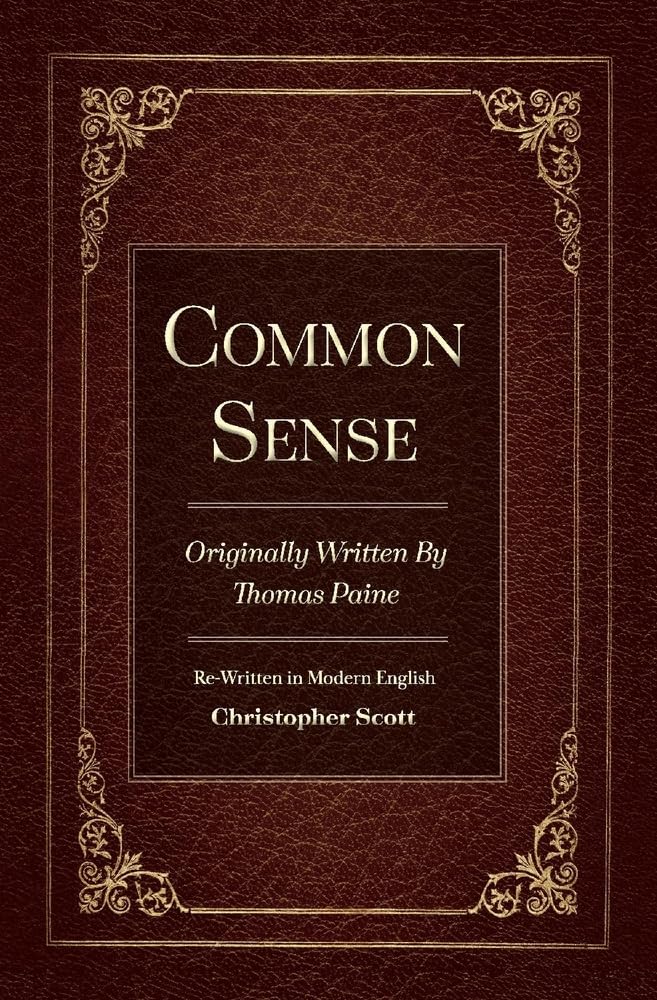
Book One — Thomas Paine, Common Sense
Paine wrote to ordinary citizens and asked them to stop accepting unaccountable power as normal. This reading awakens us to the danger of power that answers to no one, and to the responsibility of ordinary people to think and to act. It is where the program begins, because everything else depends on citizens who are willing to pay attention.
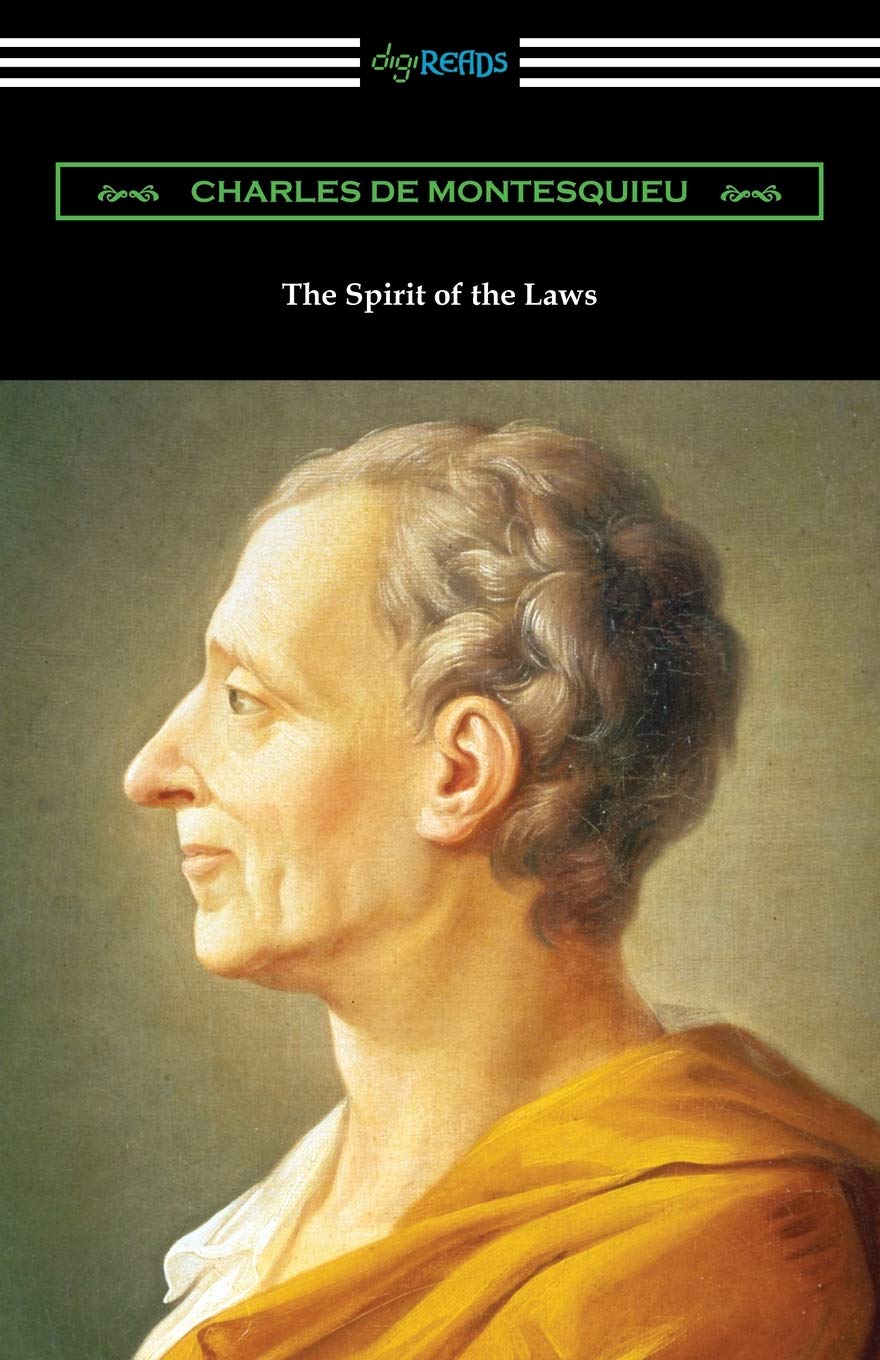
Book Two — Montesquieu, Selected Passages from The Spirit of the Laws
Montesquieu helps us understand why liberty cannot rest on trust alone. Power must be structured, separated, checked, restrained, and required to answer to the people. These selected passages explain the architecture of a free government — separated powers, checks and balances, public accountability, and citizen oversight — and why each piece matters.

Book Three — John Adams, Thoughts on Government
Adams turns from warnings and structure to purpose. This short reading explains what good republican government should aim for: the happiness and safety of the people, honest representation, power that is divided rather than concentrated, and a government of laws rather than of personalities.
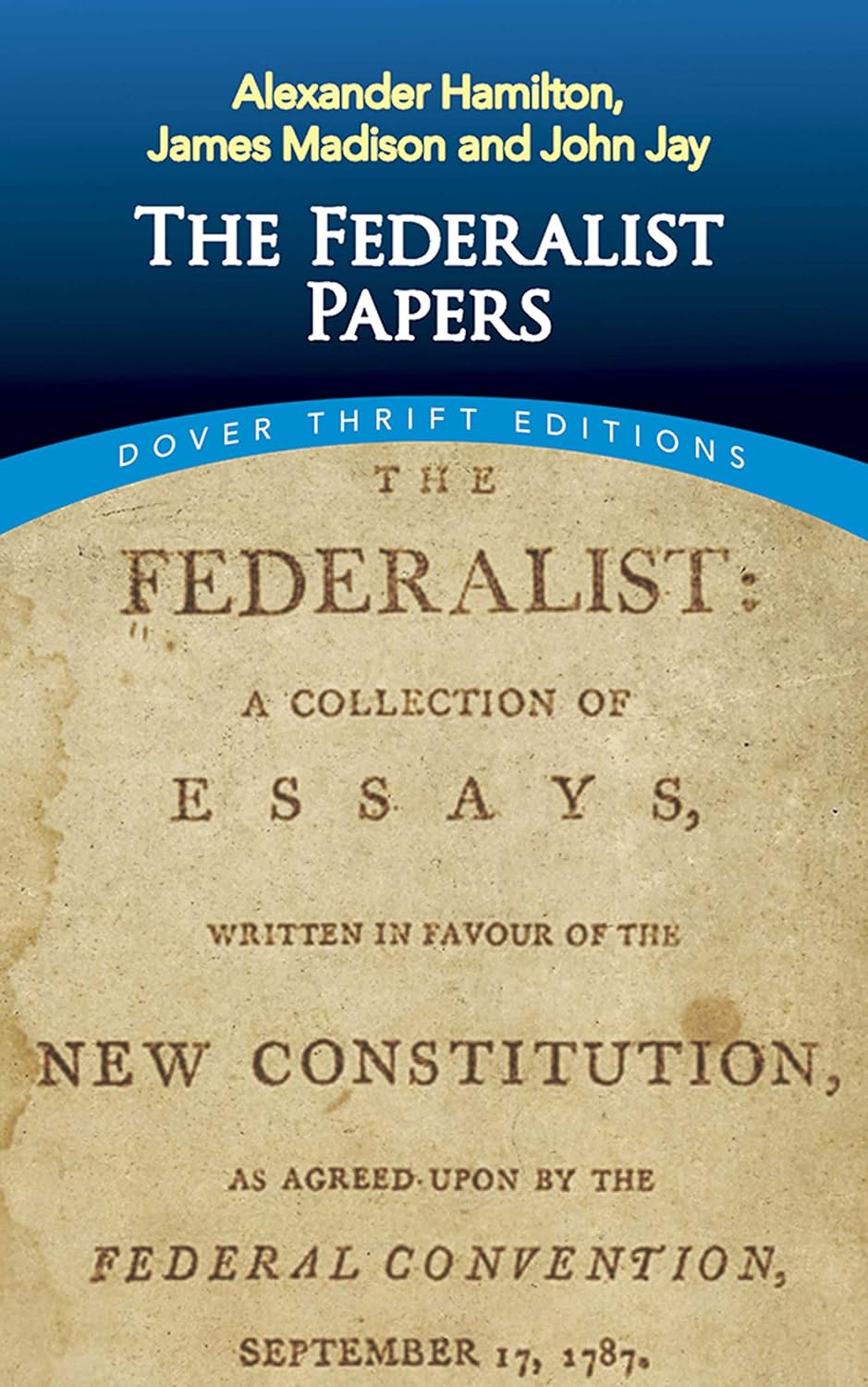
Book Four — Selected Federalist Papers
The Federalist shows how the founders turned these principles into a working system. The selected papers explain citizen judgment, the danger of factions and special interests, the necessity of checks and balances, the meaning of representation, the place of executive authority, and the demand for public accountability. This is where the ideas become a functioning government.
We invite your family to take part. Set aside a few minutes each night, open the guide, and begin. Read it. Mark it. Discuss it. And when you are finished, pass it on to another family, so the understanding keeps moving from one household to the next.
Self-government is not inherited automatically. It is renewed by citizens who choose to take it up again. Thank you for being among them.